
Counterpain Usage Guide
Counterpain Cream Uses & How to Apply It Safely
Counterpain is a topical analgesic cream used for local relief of muscular aches and pain. According to DHG Pharma, it is indicated for muscle pain, pain associated with rheumatic conditions and sprains. This guide explains what Counterpain cream is used for, how to apply it, how often it is typically used, and the key precautions to know before application.
Counterpain is a dermal cream intended for topical use. DHG Pharma lists it for relief of muscle pain, pain associated with rheumatic conditions and sprains. The cream is applied to the affected area and gently rubbed into the skin.
The manufacturer's directions state that Counterpain may be applied 3–4 times daily, unless a healthcare professional advises otherwise. Always follow the current packaging and supplied instructions.
Important use note
Counterpain is for external use only. Do not swallow it, and do not apply it to open wounds, damaged skin, infected skin, the eyes or mucous membranes.
At a Glance
Counterpain Usage Summary
Indications
What Is Counterpain Cream Used For?
DHG Pharma lists Counterpain for local relief of pain associated with the following:
Muscle Pain
Counterpain is indicated for muscular aches and localized muscle pain.
Rheumatic Pain
The manufacturer lists pain associated with rheumatic conditions among the product's indications.
Sprains
Sprain-related pain is also included in the published product information.
Scope of this guide: This article follows the uses listed by the manufacturer and does not expand Counterpain's indications beyond the published product information.
Active Formula
What Is in Counterpain?
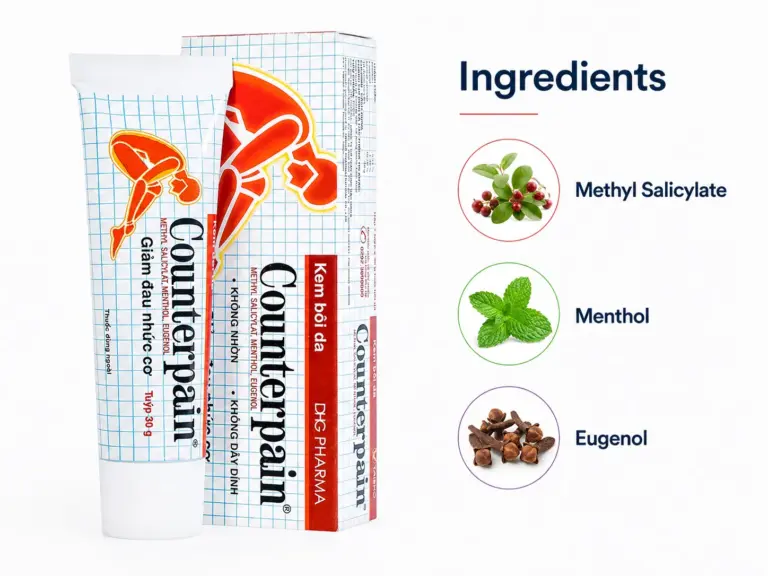
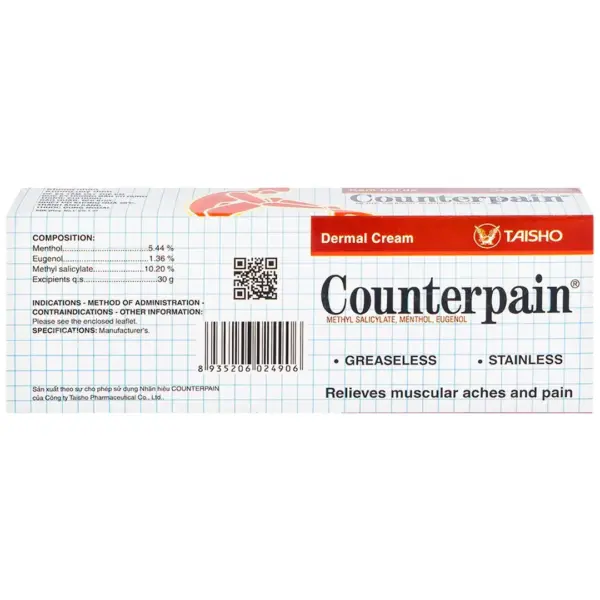
DHG Pharma lists three active ingredients in the finished cream: methyl salicylate 10.20%, menthol 5.44% and eugenol 1.36%.
Methyl Salicylate
Menthol
Eugenol
Ingredient Guide
Want a closer look at the Counterpain formula?
The dedicated ingredient article covers the published concentrations, excipient notes and ingredient-related safety information in more detail.
Application
How to Apply Counterpain Cream
The manufacturer's directions state that Counterpain should be applied topically to the affected area and gently rubbed into the skin.
Check the skin
Use Counterpain only on suitable, intact skin. Do not apply it to open wounds, damaged skin or infected areas.
Apply to the affected area
Use the cream locally over the area of muscular or joint-related discomfort.
Rub gently
Gently rub the cream into the skin according to the manufacturer's directions.
Repeat as directed
DHG Pharma states that Counterpain may be applied 3–4 times daily unless otherwise directed.
Practical note: Applying more cream or using it more often than directed does not necessarily provide better relief and may increase the chance of irritation.
Daily Frequency
How Often Can Counterpain Be Applied?
DHG Pharma's directions specify applying Counterpain to the affected area 3–4 times per day and gently rubbing it into the skin.
The current package directions should take priority because labeling can be updated. If your situation requires different instructions, follow the advice of a qualified healthcare professional.
Application Safety
Where Should Counterpain Not Be Applied?
Do not apply Counterpain to open wounds.
Do not use it on damaged or infected skin.
Avoid contact with the eyes and mucous membranes.
Do not swallow the cream; it is intended for external use only.
Important Precautions
Counterpain Safety Before Use
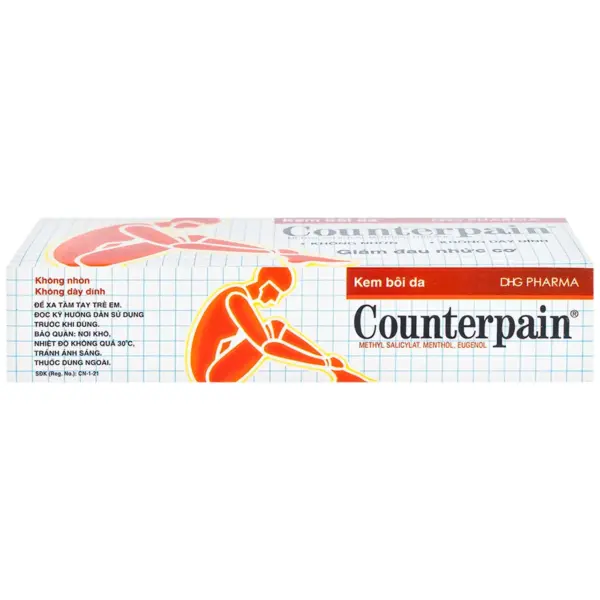
The manufacturer lists hypersensitivity to any ingredient as a contraindication. Counterpain should not be used in children under six years old, and the official information includes additional restrictions for some children with a history of epilepsy or febrile convulsions.
This section is only a short summary. The dedicated safety article covers the contraindications and precautions in more detail.
Possible Reactions
Possible Counterpain Side Effects
The manufacturer describes Counterpain as generally well tolerated, although local reactions such as itching, redness or skin rash may occur in some users.
Side Effects Guide
Need more detail about possible reactions?
The dedicated article covers the unwanted reactions listed in the product information and explains when to stop using the cream.
Storage
How Should Counterpain Be Stored?
DHG Pharma states that Counterpain should be stored in a dry place, protected from light, at a temperature not exceeding 30°C. Always check the current packaging for the latest storage instructions.
Original Vietnamese Product
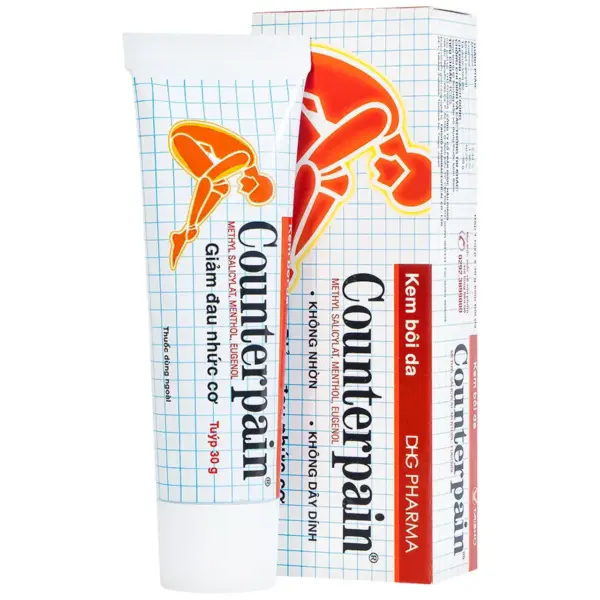
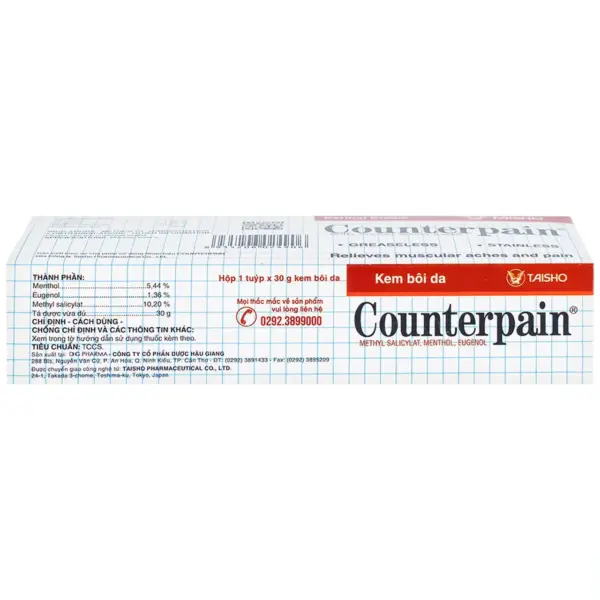
Counterpain Analgesic Cream 30g
View the Volga Trading product page for the current product description, packaging images, availability and ordering information.
- 30g dermal cream tube
- Manufactured by DHG Pharma
- Methyl salicylate, menthol and eugenol formula
- Original Vietnamese packaging
Frequently Asked Questions
Counterpain Uses & Application FAQ
What is Counterpain cream used for?
DHG Pharma lists Counterpain for muscle pain, pain associated with rheumatic conditions and sprains.
How do I apply Counterpain?
Apply it to the affected area and gently rub it into the skin, following the current product directions.
How many times a day can Counterpain be used?
The manufacturer's directions specify 3–4 applications per day unless a healthcare professional gives different instructions.
Can Counterpain be applied to broken skin?
No. Do not apply it to open wounds, damaged skin or infected skin.
Can Counterpain cause skin reactions?
Local reactions such as itching, redness or skin rash may occur in some users.
What ingredients are in Counterpain?
The active ingredients listed by DHG Pharma are methyl salicylate 10.20%, menthol 5.44% and eugenol 1.36%.
Complete FAQ
Looking for more Counterpain questions?
Visit the dedicated FAQ for broader questions about ingredients, safety, side effects, storage and product use.
Continue Exploring
More Counterpain Guides
Counterpain 30g
View Counterpain Analgesic Cream
Check current product information, packaging images, availability and worldwide ordering details.