
Vietnamese balm is a familiar household product in Vietnam, valued for its distinctive herbal aroma, compact packaging and convenient topical application. These balms commonly combine ingredients such as menthol, camphor, peppermint oil, cajeput oil and other aromatic essential oils to create cooling and warming sensations on the skin.
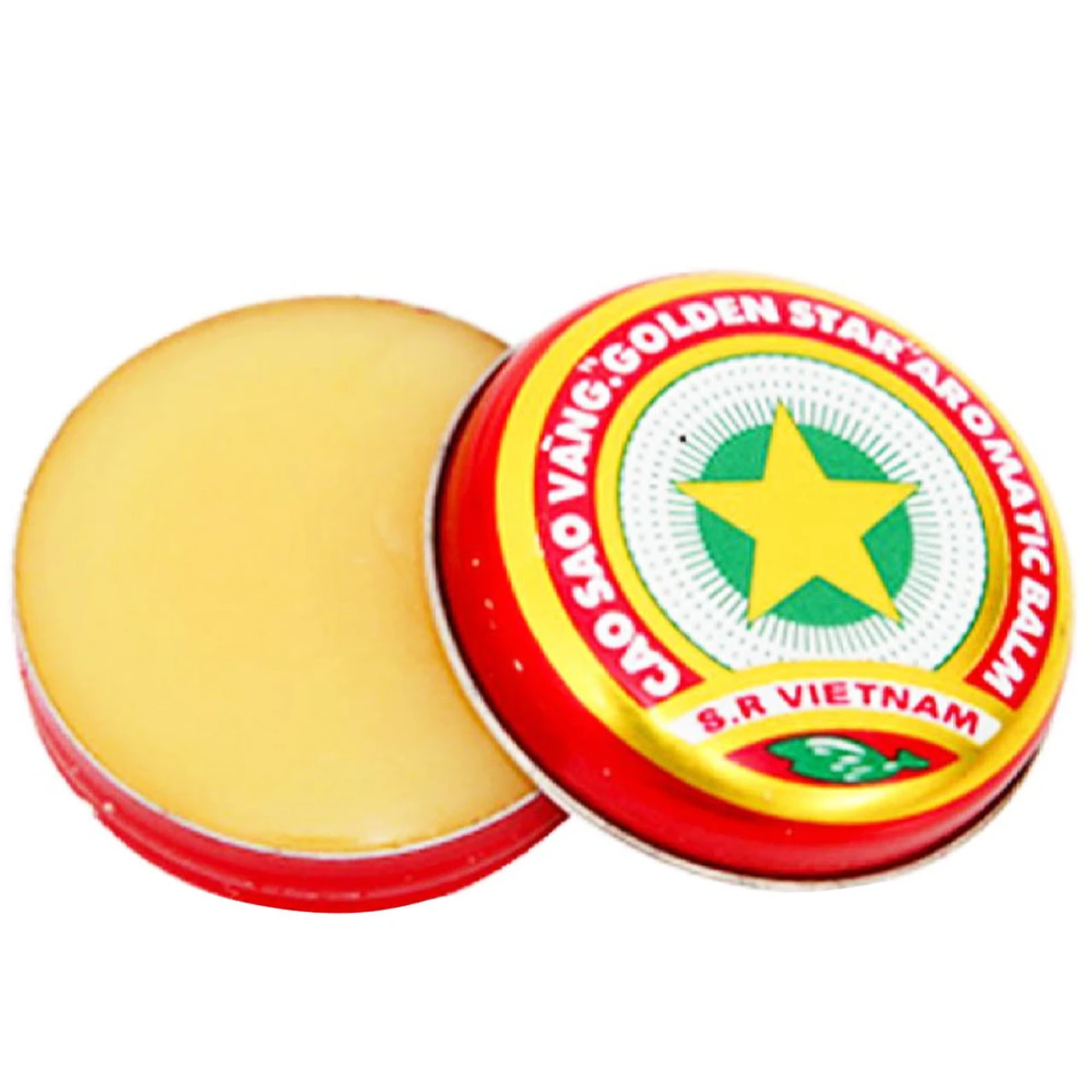
Among the best-known examples is Golden Star Balm, often called Cao Sao Vàng in Vietnamese. Available in different sizes and from different Vietnamese manufacturers, it has become both a practical everyday balm and a recognizable piece of Vietnamese culture.
This guide explains what Vietnamese balm is, its common ingredients, traditional uses, basic application guidance and important safety precautions. It also compares two popular versions: Golden Star Balm 3g by TW3 and Golden Star Balm 16g by Danapha.
What Is Vietnamese Balm?
Vietnamese balm is a topical preparation designed for external application. It is usually supplied in a small metal tin, glass jar or plastic container and has a concentrated herbal fragrance.
Many traditional Vietnamese balms contain a blend of menthol, camphor and aromatic plant oils. When applied in a small amount, these ingredients produce noticeable cooling, warming or tingling sensations. The exact formula varies by product and manufacturer, so users should always check the ingredient list and directions printed on the packaging.
Vietnamese balm should not be confused with an oral herbal supplement. It is generally intended for use on the skin only and must not be swallowed.
A Familiar Product in Vietnamese Daily Life
Small tins of aromatic balm have long been a familiar sight in Vietnamese homes, bags and travel kits. Their popularity comes partly from their portability: even a very small container can be carried easily in a pocket, handbag or first-aid pouch.
Golden Star Balm is particularly recognizable because of its bright packaging and yellow-star emblem. Over time, it has become known beyond Vietnam, especially among travelers, overseas Vietnamese communities and people interested in traditional Asian topical products.
Today, Golden Star Balm is made in several formats. The classic 3g tin emphasizes portability, while larger containers such as the 16g Danapha version offer more product for regular household use.
Common Vietnamese Balm Ingredients
Formulas are not identical, but several aromatic ingredients frequently appear in Vietnamese balm products.
Menthol
Menthol is associated with the characteristic cooling sensation of mint. It activates cold-sensitive receptors in the skin, which can make the applied area feel cooler even though the actual skin temperature may not change substantially.
Menthol is widely used in topical preparations, personal-care products and other aromatic formulations. Readers who want technical information about the compound can consult the National Institutes of Health PubChem entry for menthol.
Camphor
Camphor is an aromatic compound used in many traditional topical balms. On the skin, it contributes to a strong scent and a warming or cooling counterirritant sensation, depending on the formula and concentration.
Camphor-containing products must be used carefully. They should not be swallowed, applied excessively or left where young children can reach them. More detailed scientific information is available in this review of camphor’s uses and potential hazards.
Peppermint essential oil
Peppermint essential oil contributes a fresh mint aroma and complements the cooling character of menthol. It is commonly included in both the 3g TW3 balm and the 16g Danapha balm.
Cajeput essential oil
Cajeput oil has a strong, fresh and slightly medicinal aroma. It is traditionally used in many Southeast Asian oils and balms and forms part of the characteristic scent of Golden Star Balm.
Cinnamon, clove and other aromatic oils
Depending on the product, the formula may also contain cinnamon oil, clove oil or white basil oil. These ingredients contribute warmth and fragrance, but they may irritate sensitive skin in some users.
The Golden Star Balm 3g by TW3 lists camphor, menthol, peppermint oil, cajeput oil, white basil oil and cinnamon oil. The Golden Star Balm 16g by Danapha contains camphor, menthol, peppermint oil, cajeput oil, clove oil and cinnamon oil.
What Is Vietnamese Balm Commonly Used For?
Vietnamese balm is traditionally applied in small amounts during everyday situations where a cooling, warming or aromatic topical sensation is desired. Common traditional uses include:
- Gentle massage after ordinary physical activity
- Application to small areas of intact skin during travel
- Use as an aromatic balm during minor everyday discomfort
- Carrying in a bag or travel kit for convenient external use
- Applying around, but not directly on, minor insect bites when permitted by the product label
The sensation created by a balm should not be interpreted as treatment for an underlying medical condition. Persistent pain, swelling, breathing difficulty, severe headache, signs of infection or other unexplained symptoms require appropriate medical advice.
How to Use Vietnamese Balm
Directions differ slightly between products. Always prioritize the instructions supplied by the manufacturer.
- Make sure the intended application area is clean, dry and free from open wounds.
- Take only a small amount of balm with a clean fingertip.
- Apply a thin layer to the desired area of intact skin.
- Massage gently unless the product instructions state otherwise.
- Wash your hands after application, particularly before touching the eyes or handling food.
- Close the container firmly after use.
Using more balm does not necessarily create a better result. Excessive application can increase the risk of irritation and accidental transfer to the eyes, mouth or other sensitive areas.
Patch testing
People with sensitive skin may test a very small amount on a limited area before broader application. Stop using the balm if it causes significant redness, swelling, burning, rash or persistent discomfort.
Popular Golden Star Balm Products
Golden Star Balm 3g by TW3
The Golden Star Balm 3g by TW3 is the classic pocket-sized version. It is manufactured in Vietnam by Central Pharmaceutical Joint Stock Company No. 3, commonly known as TW3.
Its compact metal tin makes it suitable for people who want a balm that occupies very little space. It can be placed in a handbag, backpack, desk drawer or travel pouch.
Main characteristics:
- Traditional 3g Vietnamese balm
- Compact red metal tin
- Contains menthol and camphor
- Includes peppermint, cajeput, white basil and cinnamon oils
- Designed for external use
- Manufactured in Vietnam by TW3
View Golden Star Balm 3g product details
Golden Star Balm 16g by Danapha
The Golden Star Balm 16g by Danapha is a larger version manufactured by Danapha Pharmaceutical Joint Stock Company in Vietnam.
It comes in a glass jar with a metal lid and an outer product box. The 16g quantity is more practical for users who apply balm regularly or prefer to keep a larger container at home.
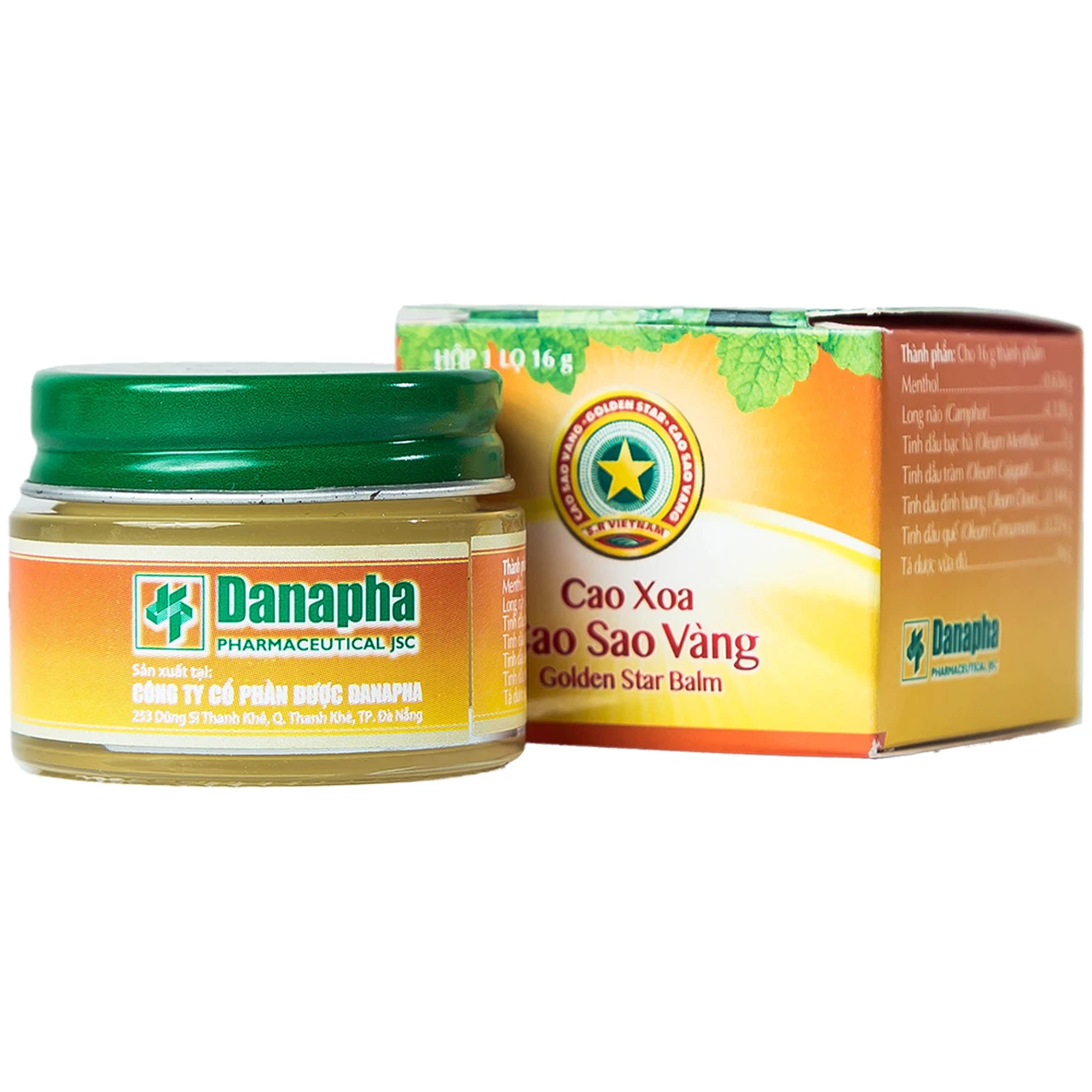
Main characteristics:
- Larger 16g container
- Glass jar with metal lid
- Contains menthol and camphor
- Includes peppermint, cajeput, clove and cinnamon oils
- Suitable for topical application and gentle massage
- Manufactured in Vietnam by Danapha
View Golden Star Balm 16g product details
Golden Star Balm 3g vs 16g
| Feature | Golden Star Balm 3g | Golden Star Balm 16g |
|---|---|---|
| Manufacturer | TW3 | Danapha |
| Net weight | 3g | 16g |
| Packaging | Compact metal tin | Glass jar, lid and outer box |
| Best suited for | Pocket, handbag and travel use | Regular household use |
| Menthol and camphor | Yes | Yes |
| Peppermint oil | Yes | Yes |
| Cajeput oil | Yes | Yes |
| Other listed aromatic oils | White basil and cinnamon | Clove and cinnamon |
| Country of origin | Vietnam | Vietnam |
The smaller version is the better choice when portability is the main priority. The larger version provides more balm and may be more convenient for regular use. Neither size is automatically better; the most suitable choice depends on how frequently and where the product will be used.
How to Choose a Vietnamese Balm
Consider the following points before selecting a product:
Container size
A 3g tin is highly portable, while a 16g jar is more practical for repeated household use.
Ingredient list
Check every ingredient if you have sensitive skin or known allergies. Formulas can differ even when products share a similar name.
Manufacturer and labeling
Choose products with identifiable manufacturers, clear net-weight information, directions, storage instructions and intact packaging.
Intended user
Age restrictions are important. For example, the instructions for the Danapha 16g balm state that it is not suitable for children under 30 months and should not be used for children with a history of epilepsy or febrile seizures.
Frequency of use
An occasional traveler may prefer the smaller tin, while a household that uses balm regularly may find the larger jar more convenient.
Important Safety Precautions
Although Vietnamese balm is widely used, ingredients such as camphor and concentrated essential oils require sensible handling.
- For external use only. Do not swallow the balm.
- Do not apply it inside the nose, mouth or ears.
- Avoid contact with the eyes and other sensitive areas.
- Do not apply to open wounds, burns or severely irritated skin.
- Do not use the product if you are allergic or sensitive to any listed ingredient.
- Stop using it if significant skin irritation develops.
- Do not apply excessive amounts or cover the area tightly unless instructed by a healthcare professional.
- Keep the balm out of the reach of children.
- Follow all age restrictions printed on the individual product packaging.
Seek urgent medical guidance if the balm is swallowed, enters the eyes in a significant amount or causes an unusual reaction. Do not induce vomiting unless a medical professional specifically instructs you to do so.
Pregnant or breastfeeding users, people with chronic skin conditions and those planning to use the balm on a child should consult a qualified healthcare professional when uncertain.
How to Store Vietnamese Balm
Correct storage helps preserve the balm’s texture, aroma and packaging.
- Keep the container tightly closed when not in use.
- Store it in a cool, dry location.
- Protect it from direct sunlight and excessive heat.
- Do not leave it in a hot car or beside a heater.
- Keep it separate from food and oral medicines.
- Follow the temperature limit shown on the label; both featured products recommend storage below 30°C.
Essential oils are volatile, so leaving the lid open may gradually reduce the balm’s aroma and alter its consistency.
Where to Buy Authentic Vietnamese Balm
When ordering Vietnamese balm internationally, choose a seller that provides clear product photographs, manufacturer information, ingredient details and transparent shipping policies.
Volga Trading supplies Vietnamese products to international customers and provides dedicated pages for both sizes featured in this guide:
You can also explore the Balms & Medicated Oils collection, browse the Volga Trading shop or review the international shipping information before placing an order.
Frequently Asked Questions About Vietnamese Balm
What is Vietnamese balm made from?
Vietnamese balm commonly contains menthol, camphor and aromatic essential oils such as peppermint, cajeput, cinnamon, clove or white basil oil. The exact ingredient list depends on the product and manufacturer.
Is Golden Star Balm the same as every other Vietnamese balm?
No. Golden Star Balm is a well-known Vietnamese product name, but formulations and packaging can differ between manufacturers and sizes. Check the label of the specific version before use.
What is the difference between Golden Star Balm 3g and 16g?
The 3g TW3 version is a compact metal tin suited to travel and occasional use. The 16g Danapha version comes in a larger glass jar and provides more product for regular use. Their listed aromatic oils also differ slightly.
Can Vietnamese balm be applied every day?
Use should follow the directions on the individual label. Stop if irritation occurs, and ask a healthcare professional for advice when frequent or prolonged application is being considered.
Can Vietnamese balm be used on children?
Age limits vary by formula. The Danapha 16g product is not suitable for children under 30 months and should not be used for children with a history of epilepsy or febrile seizures. Always follow the packaging of the exact product being used.
Can Vietnamese balm be applied inside the nose?
No. A topical balm should not be placed inside the nostrils unless its official directions specifically authorize that use. Keep it away from the eyes, mouth and other sensitive areas.
Can Vietnamese balm be swallowed?
No. Vietnamese topical balm is intended for external use only. Camphor-containing products can be harmful if swallowed.
How long does Vietnamese balm last after opening?
Refer to the expiry date and any period-after-opening instruction on the packaging. Keeping the lid tightly closed and storing the balm below the stated temperature can help preserve its quality.
Final Thoughts
Vietnamese balm combines compact packaging with a distinctive mixture of menthol, camphor and aromatic essential oils. Golden Star Balm remains one of the most recognizable examples, whether in the portable 3g TW3 tin or the larger 16g Danapha jar.
Whichever version you choose, read the complete label, apply only a small amount to intact skin, observe the manufacturer’s age restrictions and keep the product safely away from children.
This article is provided for general educational and product-information purposes. It does not diagnose, treat or prevent any medical condition and is not a substitute for advice from a qualified healthcare professional.