
Turmeric has been used in traditional Asian skin care for generations. Its bright yellow rhizome contains naturally occurring compounds known as curcuminoids, with curcumin being the best known and most extensively studied.
Today, turmeric and turmeric-derived ingredients appear in creams, gels, cleansers and treatments designed for acne-prone skin, post-acne marks and uneven skin tone. This has led to a common question: can turmeric really remove acne scars and dark spots?
The answer requires an important distinction. Turmeric-derived ingredients may help support inflamed or blemish-prone skin and may gradually improve the appearance of some post-inflammatory dark marks. However, they cannot be expected to erase deep, raised or structurally indented scars.
Modern formulations such as Decumar Advance THC Anti-Acne & Dark Spot Gel 20g use a turmeric-derived ingredient together with niacinamide, moisturizers and botanical extracts rather than relying on raw kitchen turmeric alone.
What Are Turmeric and Curcumin?
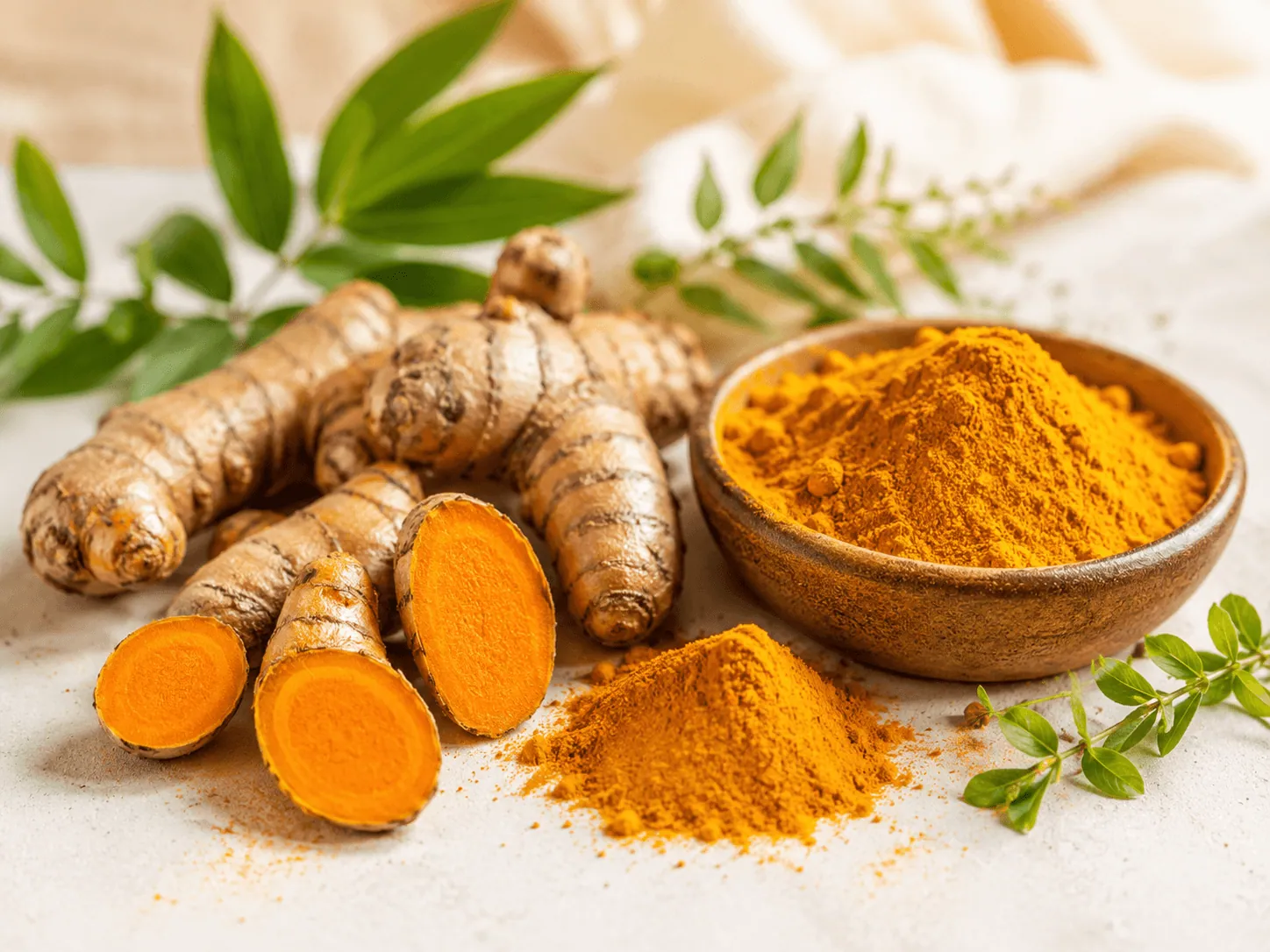
Turmeric comes from the rhizome of Curcuma longa, a plant in the ginger family. The rhizome is commonly dried and ground into the yellow powder used in cooking, traditional preparations and cosmetic products.
Curcumin is one of turmeric’s main biologically active compounds. Laboratory and clinical research has examined curcumin because of its potential antioxidant, anti-inflammatory and antimicrobial activity.
These properties have made curcumin interesting to dermatology researchers. Inflammation, oxidative stress, microorganisms, skin-barrier damage and abnormal pigmentation can all contribute to the appearance of acne and post-acne marks.
Dark Spots and Acne Scars Are Not the Same
Many people use the term “acne scar” for every mark left after a breakout. Medically, however, a flat dark mark and a true structural scar are different problems.
Post-Inflammatory Hyperpigmentation
A flat brown, grey-brown or dark patch left after a pimple is often post-inflammatory hyperpigmentation, commonly abbreviated as PIH.
PIH develops when inflammation stimulates excess melanin production. It is not a change in the physical structure of the skin. These marks may gradually fade, although the process can take weeks or months and may be slower in deeper skin tones.
Post-Inflammatory Redness
Some blemishes leave flat pink, red or purple marks. These may reflect persistent changes in superficial blood vessels rather than excess melanin. Products aimed mainly at pigmentation may not produce the same result on redness.
Atrophic or Depressed Scars
Ice-pick, boxcar and rolling scars appear sunken because acne-related inflammation has damaged collagen and altered the structure of the skin.
A cosmetic gel may moisturize the surface and make the area look smoother, but it cannot physically refill a deep depression. Dermatologists may use procedures such as chemical peels, microneedling, laser treatment, subcision or fillers, depending on the type of scar.
Raised Scars
Hypertrophic and keloid scars develop when the skin produces excessive scar tissue. These raised scars usually require professional evaluation and cannot be expected to disappear with turmeric gel.
Realistic expectation: turmeric-based products are more relevant to inflamed blemishes, uneven tone and flat post-acne marks than to deep, raised or indented scars.
How Might Turmeric Help Acne Marks and Dark Spots?
1. It May Help Calm Inflammatory Skin
Inflammation contributes to the redness, swelling and discomfort associated with acne. It also increases the risk that a blemish will leave a persistent dark mark.
Curcumin has demonstrated anti-inflammatory activity in laboratory research and has been evaluated in topical clinical studies for several inflammatory skin conditions. By helping control the inflammatory environment, a properly formulated turmeric-derived ingredient may support calmer-looking skin.
This does not mean curcumin is a replacement for proven acne medicines. Moderate, severe, painful or scarring acne should be assessed by a qualified medical professional.
2. It Provides Antioxidant Activity
Oxidative stress occurs when reactive molecules exceed the skin’s antioxidant defenses. It can contribute to inflammation and interfere with normal skin recovery.
Curcumin can act as an antioxidant in experimental models. In topical skin care, antioxidant ingredients may help protect the skin from oxidative stress and support its natural repair processes.
3. It May Support the Appearance of Post-Acne Marks
Research on turmeric and curcumin suggests possible benefits for skin tone, but evidence specifically proving that turmeric removes post-acne hyperpigmentation remains limited.
A turmeric-derived formula may help dark marks indirectly by reducing inflammation and supporting skin recovery. Some curcumin derivatives are also studied for possible effects on pathways involved in pigment formation.
However, daily sun protection remains essential. Ultraviolet and visible light exposure can darken existing marks and make them last longer.
4. It May Support Wound-Healing Processes
Research has explored curcumin’s effects on several stages of wound healing, including inflammation, antioxidant defense, collagen organization and re-epithelialization.
These findings may help explain why turmeric has traditionally been associated with skin recovery. However, wound-healing research does not prove that turmeric can erase an established acne scar.
Once a scar has formed, its treatment depends on whether it is flat, pigmented, raised or depressed.
5. It May Help Support Acne-Prone Skin
Curcumin has shown antimicrobial activity in laboratory studies. This has encouraged research into its possible role in acne care, especially when combined with other active ingredients or advanced delivery systems.
Human clinical evidence for turmeric as a stand-alone acne treatment remains less extensive than the evidence for established ingredients such as benzoyl peroxide, salicylic acid, azelaic acid and topical retinoids.
What Does Scientific Research Say?
A systematic review of turmeric and curcumin for skin health reported early evidence of possible benefits across several dermatologic conditions. The authors also noted that the studies varied considerably in their formulations, doses and treatment methods.
A later review of topical curcumin clinical studies examined its use in a range of skin conditions based on its antioxidant, anti-inflammatory and antimicrobial properties. The research is promising, but it does not establish turmeric as a universal cure for acne, pigmentation or scarring.
This distinction matters because laboratory activity does not always translate into a visible clinical benefit. Curcumin also has formulation challenges, including limited water solubility, instability and difficulty penetrating biological tissues.
For this reason, cosmetic and pharmaceutical manufacturers may use encapsulation systems, nanoparticles or curcumin derivatives intended to improve stability, delivery or cosmetic appearance.
What Is Tetrahydrocurcumin?
Tetrahydrocurcumin, often abbreviated as THC, is a major metabolite and color-reduced derivative of curcumin. In this context, THC does not refer to tetrahydrocannabinol from cannabis.
Tetrahydrocurcumin is used in some modern cosmetic formulations because it offers antioxidant properties without the intense yellow-orange color associated with ordinary turmeric powder.
This can be useful in leave-on facial products. Raw turmeric masks may temporarily stain the skin, nails, towels and clothing, while a properly formulated tetrahydrocurcumin gel is designed to be more practical for daily use.
The word “nano” generally refers to a delivery or particle-size technology used by the manufacturer. It should not automatically be interpreted as proof that a product works better than every non-nano formula. The performance of a product depends on its complete formulation, concentration, stability and how consistently it is used.
Decumar Advance THC Anti-Acne & Dark Spot Gel
Decumar Advance THC Anti-Acne & Dark Spot Gel 20g is a lightweight Vietnamese skin care gel manufactured by CVI Pharma.
The product is designed for oily, blemish-prone and post-acne skin. Its gel texture absorbs quickly and is intended to support acne care while helping improve the appearance of post-acne marks.
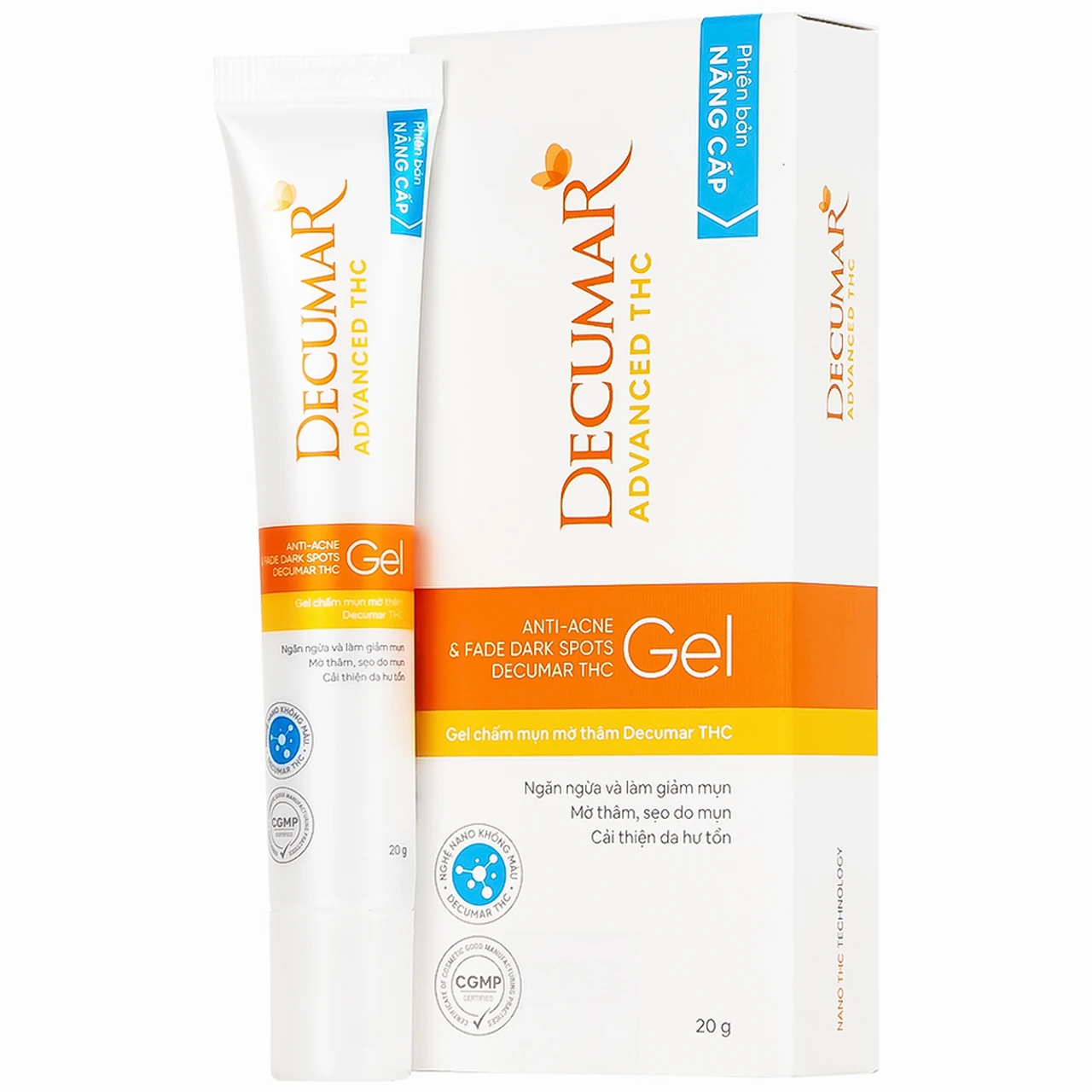
Main Ingredients
- Nano Tetrahydrocurcumin: a turmeric-derived antioxidant ingredient used in acne and dark-spot care.
- Niacinamide: supports the skin barrier and is commonly used to improve uneven-looking skin tone.
- Glycerin: a humectant that helps attract moisture to the skin.
- Red onion extract: used in some skin and scar-care formulations.
- Backhousia citriodora leaf extract: a botanical ingredient included in the product’s acne-care formula.
- Propylene glycol: helps support moisture retention and ingredient delivery.
What Can Decumar Advance Help With?
According to the product information, Decumar Advance is formulated to:
- Help care for active blemishes
- Soothe irritated-looking acne-prone skin
- Help improve the appearance of post-acne dark marks
- Hydrate and soften the skin
- Support the recovery of damaged-looking skin
- Absorb without leaving a heavy or greasy residue
The product should not be described as guaranteed to remove deep acne scars. Its most realistic role is supporting active acne care and helping flat post-acne marks appear less noticeable over time.
How to Use Decumar Advance
- Cleanse the skin gently and pat it dry.
- Apply a thin layer to the blemish or post-acne mark.
- Allow the gel to absorb before applying other products.
- Follow the current instructions printed on the product packaging.
- Use sunscreen during the day to help prevent dark marks from becoming more noticeable.
Avoid picking or squeezing pimples. Physical trauma increases inflammation and raises the risk of persistent pigmentation and scarring.
View Decumar Advance THC Gel 20g
A Practical Routine for Acne Marks and Uneven Skin Tone
Morning
- Wash with a mild, non-abrasive cleanser.
- Apply a thin layer of the selected acne or dark-spot treatment.
- Use a lightweight moisturizer when needed.
- Apply a broad-spectrum sunscreen with at least SPF 30.
Evening
- Remove sunscreen, makeup and excess oil gently.
- Cleanse without harsh scrubbing.
- Apply Decumar Advance to the relevant areas according to its directions.
- Finish with a suitable moisturizer when the skin feels dry.
Consistency is usually more helpful than combining many strong products at once. Excessive exfoliation, harsh scrubs and frequent switching between treatments can damage the skin barrier, trigger irritation and make post-inflammatory pigmentation worse.
Why Sunscreen Matters for Dark Spots
Sun protection is one of the most important parts of a routine for post-acne pigmentation. Exposure to ultraviolet radiation can stimulate melanin production and make an existing mark look darker.
A broad-spectrum sunscreen with SPF 30 or higher should be applied every morning to exposed skin. Reapplication may be needed after sweating, swimming or extended outdoor exposure.
Sunscreen does not directly erase a mark, but it helps prevent additional darkening while the skin gradually renews itself.
Should You Apply Raw Turmeric to the Face?
Homemade turmeric masks are popular online, but kitchen turmeric is not standardized as a skin care product. It may stain the skin, clothing and towels, and homemade mixtures can be difficult to formulate hygienically.
Turmeric or another ingredient in a homemade mask can also cause irritation or allergic contact dermatitis. Lemon juice, baking soda and other harsh ingredients sometimes added to homemade recipes may damage the skin barrier and worsen pigmentation.
A professionally formulated product has a defined ingredient list, preservative system, texture and usage instructions. That does not guarantee that every product will suit every person, but it is generally more predictable than applying an improvised kitchen mixture.
Safety and Precautions
- Use Decumar Advance externally only.
- Avoid direct contact with the eyes and mucous membranes.
- Do not apply the product to a deep, bleeding or infected wound.
- Stop using it if persistent redness, itching, burning or swelling develops.
- Introduce one new active product at a time when the skin is sensitive.
- Patch-test the product on a small area before wider facial use.
- Keep it out of reach of children.
- Store it in a cool, dry place away from direct sunlight.
People with eczema, severe skin sensitivity or known allergies to cosmetic ingredients should seek advice from a healthcare professional before use.
When Should You See a Dermatologist?
Professional advice may be needed when:
- Acne is painful, deep, cystic or widespread
- New scars continue to develop
- Marks become increasingly dark or irritated
- A skin lesion changes shape, color or size
- Over-the-counter care does not help after consistent use
- There are raised keloid scars or deep depressed scars
- Acne causes significant distress or affects daily life
Controlling active acne early is one of the most effective ways to reduce the likelihood of future scarring.
Frequently Asked Questions
Can turmeric completely remove acne scars?
No. Turmeric-based products may help improve the appearance of inflammation and flat post-acne marks, but they cannot reliably remove deep, depressed or raised scars.
Can turmeric fade dark spots?
Turmeric-derived ingredients may support more even-looking skin through antioxidant and anti-inflammatory activity. Evidence specifically proving complete removal of dark spots is limited, so results should not be guaranteed.
How long does it take for acne marks to fade?
The time varies according to skin tone, the depth of pigmentation, sun exposure, ongoing acne and the products being used. Superficial marks may gradually improve over weeks or months, while deeper pigmentation may last longer.
What is post-inflammatory hyperpigmentation?
Post-inflammatory hyperpigmentation is a flat dark area that develops after skin inflammation or injury. It is caused by excess pigment and is different from an indented or raised structural scar.
Does Decumar Advance contain ordinary turmeric powder?
Decumar Advance lists Nano Tetrahydrocurcumin, a turmeric-derived ingredient, rather than ordinary kitchen turmeric powder.
What does THC mean in Decumar Advance?
THC refers to tetrahydrocurcumin. It does not refer to the psychoactive cannabis compound tetrahydrocannabinol.
Can Decumar Advance be used on active acne?
The product is formulated for blemishes and post-acne marks. Apply it according to the current package directions and stop using it if irritation occurs.
Can I use Decumar Advance without sunscreen?
The gel can still be applied, but daily sunscreen is strongly recommended when trying to improve post-acne pigmentation. Sun exposure can make dark marks more persistent.
Where can I buy Decumar Advance online?
You can view Decumar Advance THC Anti-Acne & Dark Spot Gel 20g through Volga Trading. Product availability and international shipping eligibility may depend on the destination.
Conclusion
Turmeric contains curcuminoids that have attracted scientific interest for their antioxidant, anti-inflammatory and antimicrobial activity. These properties may make turmeric-derived ingredients useful in products for acne-prone skin, skin recovery and post-acne marks.
However, turmeric should not be presented as a miracle scar remover. Flat dark marks may gradually become less noticeable with consistent care, control of active acne and daily sun protection. Deep or raised scars usually require treatments selected according to the scar type.
Decumar Advance THC Gel combines a turmeric-derived ingredient with niacinamide, glycerin and botanical extracts in a lightweight formula intended for blemish-prone skin and post-acne marks.
View Decumar Advance THC Anti-Acne & Dark Spot Gel 20g
Skin care disclaimer: This article is provided for general educational purposes and does not replace diagnosis or treatment by a dermatologist. Product results vary between individuals. Consult a qualified healthcare professional for severe acne, persistent pigmentation or raised and depressed scars.