
Small enough to disappear inside a pocket, yet distinctive enough to be remembered across generations, Vietnam’s Golden Star Balm has travelled far beyond the country where it was created.
Golden Star Balm: How a Tiny Vietnamese Tin Became a Global Cultural Icon
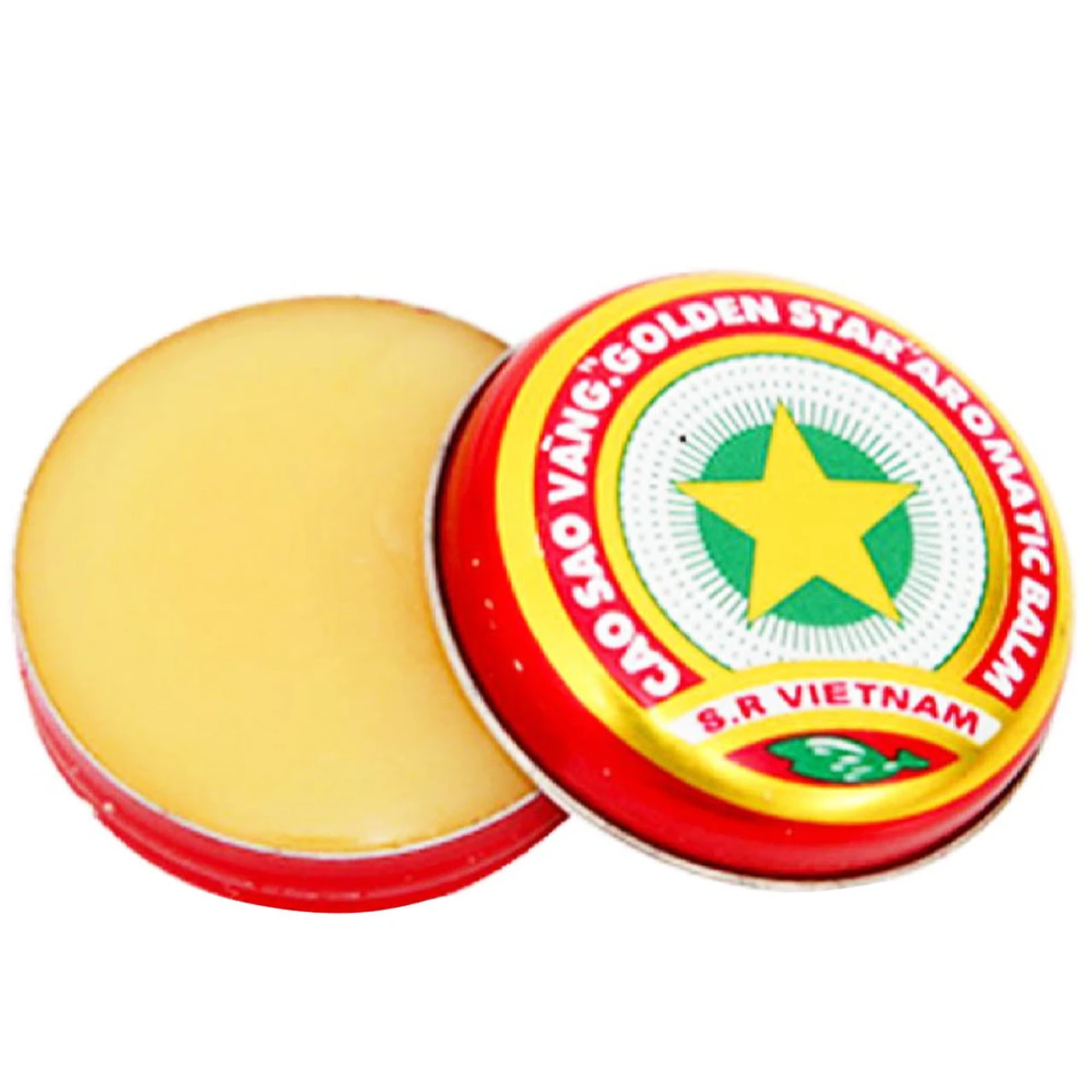
At first glance, Golden Star Balm does not look like a product destined for international fame. The traditional version comes in a tiny round container, decorated with a bright red label and a yellow star. Inside is a strongly aromatic balm made with ingredients such as camphor, menthol and essential oils.
Yet this modest Vietnamese product, known locally as Cao Sao Vàng, has built a remarkable reputation stretching from family medicine cabinets in Vietnam to homes, markets and online communities across Russia, Eastern Europe and many other parts of the world.
Its history is not simply the story of a topical balm. It is also a story of post-war manufacturing, international trade, Vietnamese cultural identity and the unexpected return of a product once thought to belong to another era.
Born During a Period of National Reconstruction
The origins of Golden Star Balm can be traced to the years after 1954, when northern Vietnam was rebuilding its healthcare and pharmaceutical systems. Domestic manufacturers were encouraged to develop affordable products using ingredients that could be sourced or produced locally.
Researchers experimented with aromatic oils and traditional topical preparations, seeking to create a stable balm suitable for Vietnam’s climate. By the late 1960s, the formula and production process had reportedly reached a consistent standard. The finished product had a smooth texture, a light yellow colour and a powerful herbal aroma.
It was marketed under the name Cao Sao Vàng, which translates into English as Golden Star Balm.
The name and packaging were unmistakably Vietnamese. The yellow star against a red background echoed one of the country’s most familiar national symbols, giving the balm an identity that was practical, memorable and deeply connected to its place of origin.
A Familiar Presence in Vietnamese Homes
For decades, Golden Star Balm was one of those ordinary household objects that seemed to be everywhere. It could be found in drawers, travel bags, workplace cupboards and the pockets of people preparing for long journeys.
Vietnamese families traditionally applied small amounts of aromatic balm externally during everyday situations such as travel, changing weather, outdoor activity or minor physical discomfort. Its intense mentholated scent and characteristic cooling-then-warming sensation made it instantly recognisable.
The balm was inexpensive, portable and highly concentrated. Even its famously tight-fitting metal container contributed to the product’s personality. Opening a new tin could sometimes require patience, but the difficult lid eventually became part of the folklore surrounding Cao Sao Vàng.
The Journey to the Soviet Union and Eastern Europe
Golden Star Balm’s international story developed through Vietnam’s economic and political relationships with the Soviet Union and other Eastern European countries.
Vietnamese students, workers and officials travelling abroad often carried the small tins with them. Because the balm occupied almost no space, it was easy to pack and frequently given to friends, colleagues and host families.
After 1975, formal trade between Vietnam and the Soviet Union expanded, and Golden Star Balm became one of the Vietnamese products exported to the region. At the height of production, pharmaceutical factories manufactured millions of containers to meet demand.
For many consumers in the Soviet Union, the balm became known simply as the Vietnamese “star.” Its penetrating herbal fragrance, bright packaging and compact design made it unlike most locally available products.
Over time, the little Vietnamese tin became associated with family memories and everyday routines. People who grew up during the Soviet period often remembered seeing it in their parents’ or grandparents’ homes. In this way, Golden Star Balm became part of the shared material culture connecting Vietnam with Eastern Europe.
Disappearance and an Unexpected Revival
The collapse of the Soviet Union disrupted many of Vietnam’s established export networks. Demand for Cao Sao Vàng declined, while the Vietnamese domestic market welcomed an increasing range of competing balms, oils and imported personal-care products.
For a period, Golden Star Balm appeared to be fading into nostalgia. It remained familiar, but it no longer enjoyed the same level of commercial visibility it had possessed during the height of socialist-era trade.
Then the internet changed its fortunes.
During the 2010s, Golden Star Balm began appearing more frequently on international e-commerce websites. Consumers in Russia and Eastern Europe searched for a product they remembered from childhood, while travellers and collectors discovered it as an affordable and unusual Vietnamese item.
Online discussions, travel videos and social-media posts introduced the balm to a younger generation. Its retro packaging, tiny size and strong aroma made it especially suitable for photographs, reviews and souvenir collections.
A product once exchanged through state trading systems had found a new route to global consumers through digital commerce.
Why Did Golden Star Balm Become So Famous?
Its international popularity cannot be explained by one factor alone. Golden Star Balm combines practicality with a powerful sense of identity.
A remarkably compact design
The classic container is small enough to carry almost anywhere. Long before “travel-size” products became a major retail category, Golden Star Balm had already mastered the concept.
A distinctive sensory experience
The aroma of menthol, camphor and essential oils is difficult to confuse with another product. For many people, opening a tin immediately brings back memories of family, travel or childhood.
Recognisable Vietnamese packaging
The red-and-yellow design gives the balm a clear national identity. It looks neither anonymous nor overly modern, helping it stand out among mass-produced wellness products.
A connection between generations
Older customers may remember the balm from the Soviet period, while younger consumers encounter it through travel, online shopping and social media. Few everyday products can appeal simultaneously as a practical item, nostalgic object and cultural souvenir.
An affordable piece of Vietnamese culture
Unlike expensive souvenirs, a tin of Golden Star Balm is lightweight and accessible. It represents Vietnam through scent, design, ingredients and history—all inside a container that can rest on the tip of a finger.
From Tiny Tins to Larger Everyday Formats
Although many international customers recognise Cao Sao Vàng by its miniature metal container, Golden Star Balm is now available in several sizes and packaging formats.
The classic Golden Star Balm 3g by TW3 preserves the pocket-sized appearance closely associated with the product’s history. Produced in Vietnam, it combines camphor, menthol, peppermint oil, cajeput oil, white basil oil and cinnamon oil in a compact container suitable for travel.
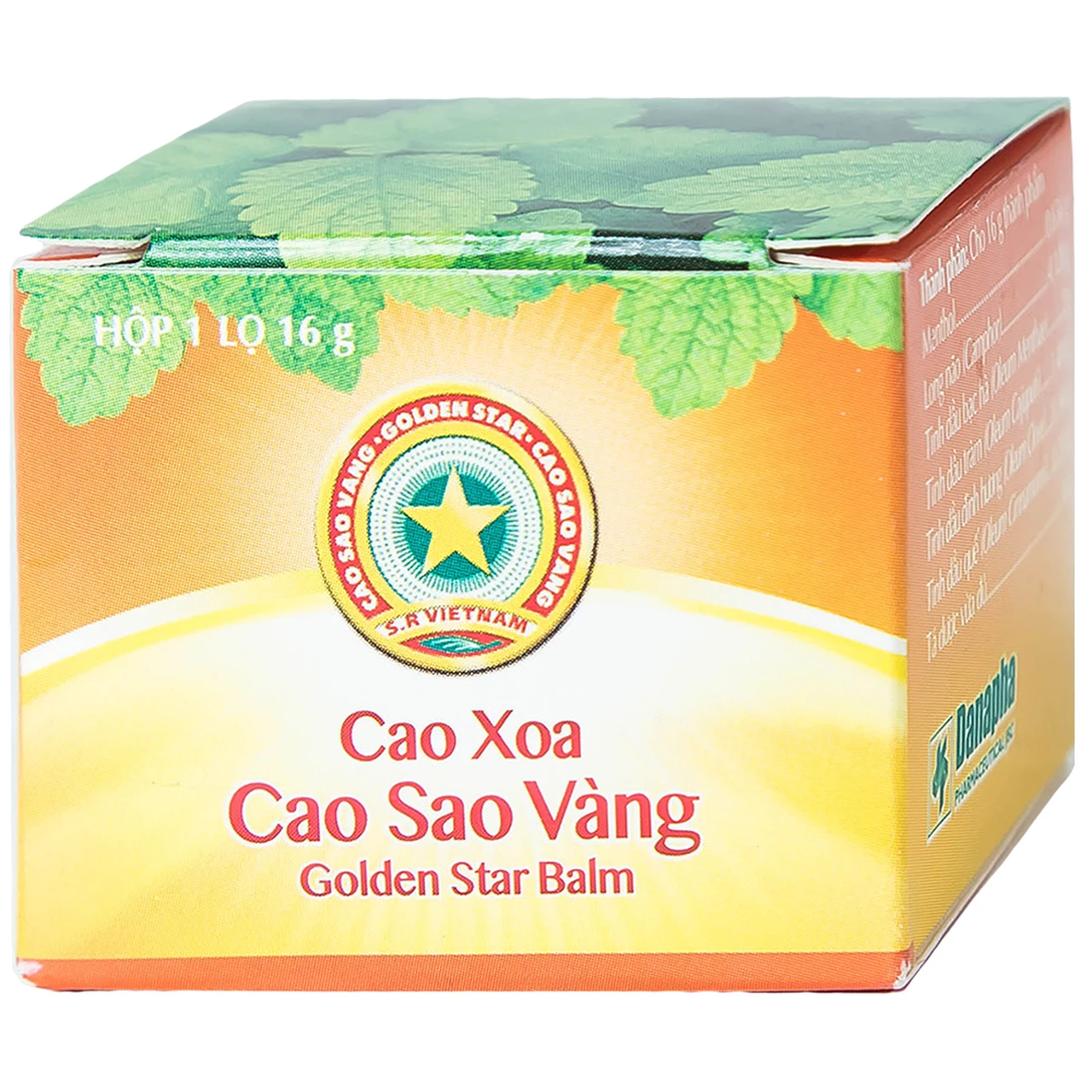
For customers who prefer a larger format, the Golden Star Balm 16g by Danapha provides more balm for regular household use. It contains camphor, menthol and aromatic essential oils, including peppermint, cajeput, clove and cinnamon oils.
Both formats demonstrate how the product has evolved without abandoning the ingredients, aromatic character and visual identity that made it famous.
A Vietnamese Product with an International Memory
Golden Star Balm occupies an unusual position in consumer history. In Vietnam, it is an everyday traditional product. In Russia and parts of Eastern Europe, it is also an object of nostalgia. For international travellers, it may be a curious souvenir. For collectors of vintage-style packaging, it is an instantly recognisable design.
These different meanings have allowed Cao Sao Vàng to remain relevant even as markets and generations have changed.
Its revival also shows how traditional Vietnamese products can reach global audiences without losing their cultural identity. The balm did not become famous because it was redesigned to look international. Much of its appeal comes from the fact that it continues to look and feel unmistakably Vietnamese.
The Enduring Power of the Golden Star
More than half a century after its development, Golden Star Balm continues to travel. It crosses borders through family gifts, travellers’ luggage and international online orders, carrying with it the familiar fragrance of camphor, menthol and aromatic oils.
Its story connects Vietnam’s post-1954 pharmaceutical development with the Soviet-era trading system and today’s global e-commerce economy. Few products have passed through such different historical worlds while remaining so physically small and visually consistent.
Golden Star Balm proves that cultural icons do not always arrive in grand packages. Sometimes, they come in a tiny red tin with a yellow star on the lid.
Important information: Golden Star Balm is intended for external use only. Always read the product label and accompanying instructions. Avoid contact with the eyes, mouth, open wounds and sensitive areas. Product information is provided for general reference and is not a substitute for professional medical advice.